Mumbai receives somewhere between 2,200 and 2,500 mm of rainfall every year. Most of it arrives in roughly 90 days. The city’s drainage network — much of it designed in the British era — was built for a fraction of the population and surface area that exists today.
So the city floods. Every year. Often at the same junctions, the same underpasses, the same roads. The question worth asking is: what is actually being done about it, and does it work?
The Problem Is Not Just Rainfall
When people talk about Mumbai flooding, the conversation usually stops at ‘too much rain.’ That is the easy answer. The real problem runs deeper.
The city’s natural drainage — rivers, creeks, and low-lying areas — has been progressively built over and encroached upon. The storm water drainage network is undersized for the discharge volumes it now needs to handle. And a significant portion of the existing pumping infrastructure is ageing, poorly maintained, and operates without automation or remote monitoring.
A pumping station that trips offline during peak rainfall because of a mechanical fault — and stays offline because nobody knows it is down — causes more damage than one that was never built. The failure is invisible until it is not.
What a Modern Storm Water Pumping Station Actually Does
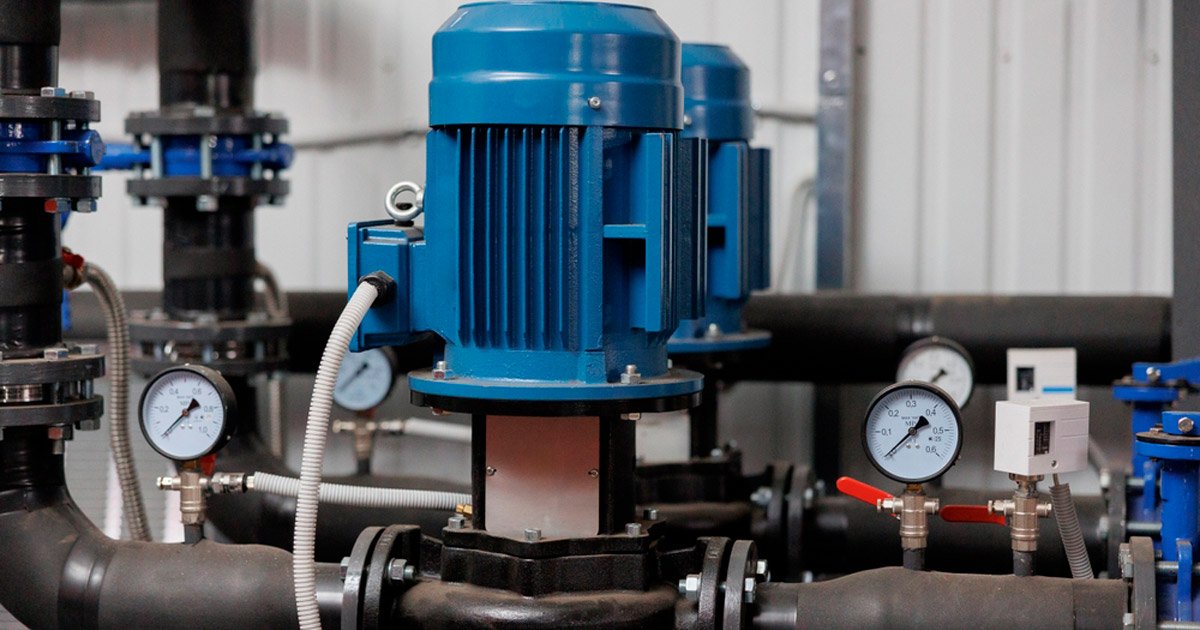
A modern storm water pumping station is not simply a set of pumps in a room. It is a managed system.
Incoming storm water enters a wet well — a holding chamber — via underground pipes and open drains. When water levels hit a preset trigger point, pump sets activate automatically and discharge the water to a downstream outfall — usually a river, creek, or coastal point.
The gap between a modern station and a legacy one comes down to three things: automation, redundancy, and monitoring.
- SCADA systems that allow operators to track water levels, pump status, and power consumption from any connected terminal
- Variable frequency drives (VFDs) on pump motors, enabling output to scale with actual inflow rather than running at constant full speed
- Automated gate and sluice valve controls, reducing dependence on manual intervention during heavy rainfall events
- Redundant pump sets and backup power arrangements so one equipment failure does not take the station offline
The Hindmata Case
Hindmata junction in Elphinstone Road was waterlogged every monsoon for forty years. The area sits in a topographic depression, and the existing drainage infrastructure could not move the volumes arriving during heavy rainfall.
The solution was a purpose-designed mini pumping station, combined with upstream drainage improvements and integration with the broader storm water network. Phase I of this project, executed between 2021 and 2024, tackled the waterlogging structurally — not as a temporary patch, but as a permanent engineering resolution.
Flooding that was considered an annual certainty at this junction has been significantly reduced under normal monsoon conditions.
What the Irla and Haji Ali Projects Show
The Irla Storm Water Pumping Station in Mumbai’s western suburbs involved upgrading an existing facility that was running well below design capacity. New high-capacity pump sets, full SCADA integration, automated gate controls, and a complete electrical overhaul were all part of the scope.
The Haji Ali station required a different approach — a legacy coastal facility where upgrading could not interrupt flood protection during monsoon windows. A phased transformation delivered modern telemetry, automation, and new mechanical equipment without a complete shutdown.
Both stations now operate as connected nodes in Mumbai’s city-wide flood monitoring network — not isolated pieces of infrastructure, but managed assets with real-time oversight.
Why the O&M Period Matters as Much as Construction
Here is something that rarely makes the news: the difference between a pumping station that works for two years and one that works for fifteen has almost nothing to do with the initial construction quality, and almost everything to do with how it is maintained.
Long-term operations and maintenance contracts — typically 7 to 15 years in BMC tenders — keep a single technically qualified partner responsible for the station’s performance across its operational life. Preventive maintenance schedules, spare parts planning, 24/7 staffing, and direct accountability to the client all come under one contract.
This structure also changes the incentives during construction. A contractor who will operate the infrastructure for the next 15 years has a direct financial interest in building it properly. The quality of construction and the quality of long-term performance are tied together by the same contract obligation.
What Comes Next for Mumbai’s Storm Water Infrastructure
The BMC’s ongoing programme covers dozens of stations across the city — some being rehabilitated, some built from scratch, some expanded for higher discharge capacity. The direction is consistent: more automation, better monitoring, faster response times, and tighter integration between individual stations and the city’s central flood management network.
It will not eliminate flooding in extreme rainfall scenarios — no city at Mumbai’s scale and rainfall intensity can guarantee that. But it is systematically reducing the frequency, depth, and duration of waterlogging at the junctions and corridors that matter most.
Aaradhyaa & Co. is actively involved in this programme across multiple contracts in Mumbai. If you are working on infrastructure procurement or exploring partnerships in urban flood management, we are easy to reach.