India’s public infrastructure has a well-documented pattern. Projects get built. Ribbons get cut. Two years later, the asset is underperforming. Five years later, it is barely operational. The engineering was competent. The construction was adequate. What failed was the transition from construction to operations.
Long-term operations and maintenance contracts are one structural response to this problem — and in sectors like storm water management, sewage treatment, and water supply, they are starting to produce genuinely different outcomes.
Why the Build-and-Hand-Over Model Fails
The traditional procurement model runs like this: a contractor builds the asset, a government department takes it over, and maintenance responsibility passes to a public works team that may or may not have the technical depth to manage complex mechanical and electrical systems.
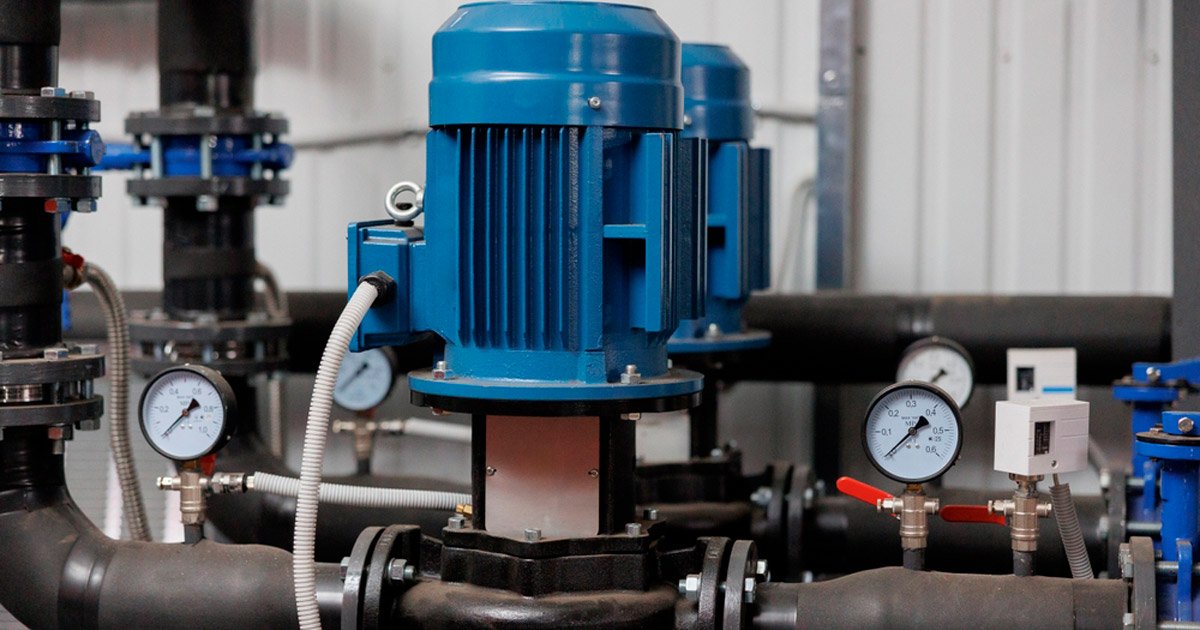
The failure points are predictable. Preventive maintenance gets deferred because the budget is not there, or the priority is elsewhere. Equipment faults go unlogged. Skilled operators leave and are not replaced. A pumping station designed for 20-year life shows serious degradation within five.
This is not a failure of engineering. It is a failure of the accountability model that sits around the engineering.
What a Long-Term O&M Contract Actually Covers
A long-term O&M contract transfers operational responsibility to a private partner for a defined period — typically 7 to 15 years in BMC contracts. In practice, this means:
- The O&M contractor staffs the site with qualified engineers and trained operators
- All preventive maintenance is scheduled, tracked, and documented
- Breakdown response is the contractor’s problem to resolve — on their timeline and budget
- Performance is measured against defined KPIs: uptime, response time, discharge capacity, effluent quality
- Regular reporting goes to the client and the relevant regulatory bodies
How Incentives Change During Construction
One of the less obvious benefits of long-term O&M contracts is what they do to incentives at the construction stage.
When the same contractor who builds the infrastructure is also responsible for operating it for the next 15 years, they have a direct financial interest in building it properly. A pump set installed with correct alignment, proper torque on all fittings, and adequate access for future maintenance lasts considerably longer than one rushed through commissioning.
O&M contracts with performance-linked payment structures reinforce this further. If the station is not meeting discharge targets or uptime thresholds, the contractor’s payments are affected. This is qualitatively different from a fixed-fee maintenance arrangement where the contractor gets paid regardless of performance outcomes.
The SCADA Factor
Modern O&M contracts for water infrastructure almost always include remote monitoring requirements — typically SCADA-based systems providing operational data to both the contractor and the client in real time.
This changes the nature of oversight. The client does not need to physically inspect the station to understand whether it is running correctly. Pump run hours, water levels, power consumption, and alarm history are visible from any connected device.
For the O&M contractor, SCADA data is also a planning tool. Historical patterns in runtime and discharge volumes allow preventive maintenance to be scheduled based on actual equipment wear rather than arbitrary calendar intervals — which means fewer unnecessary servicing events and fewer missed ones.
The Annuity Model for Mini and Micro Stations
For smaller pumping systems — mini and micro stations deployed at the ward level for localised flood control — a variation of the O&M model has gained traction: the annuity-based delivery model.
Under this arrangement, the contractor finances, designs, builds, and operates the station. The client pays a fixed annual fee over the contract period. No upfront capital outlay, and the contractor’s entire return depends on the station actually working as specified throughout the contract.
This model is particularly practical for municipal clients with constrained capital budgets but clear operational needs. The financial risk sits with the contractor, whose incentives are fully aligned with long-term performance.
The People Behind the Contracts
Technology and contract structures matter, but the reliability of an O&M programme ultimately depends on the team on-site.
A well-staffed O&M team for a mid-sized pumping station includes at least one qualified mechanical engineer, an electrical engineer or licensed electrician, and trained pump operators on rotating shifts. For larger stations, the team grows to include instrumentation technicians, automation specialists, and a site manager. The quality and consistency of this team determines whether the station records 99% uptime or 70% uptime across the contract period.
This is also where the advantage of continuity matters. When the operations team has institutional knowledge of how the station was built, the decisions made during construction, and the specific behaviour of each piece of equipment — they diagnose faults faster and prevent many before they occur.
What This Means for Infrastructure Procurement
If you are procuring infrastructure — whether as a municipal body, a state department, or a private developer — the structure of the O&M arrangement matters as much as the quality of the construction contractor.
The question worth sitting with is not only ‘who will build this?’ It is ‘who will keep this running correctly for the next decade, and how are they incentivised to do it well?’
Long-term O&M contracts, structured with clear performance KPIs and appropriate payment linkage, are one of the more reliable answers to that question available in India’s current infrastructure market.
Aaradhyaa & Co. manages long-term O&M contracts across multiple active pumping stations in Mumbai. For enquiries about O&M partnerships or contracts, write to info@aaradhyaa.com or call +91-9870021717.