When infrastructure contracts are described as turnkey, it is often used as shorthand for ‘we handle everything.’ That is broadly accurate, but it does not tell you much about what ‘everything’ actually involves — or which parts of the process tend to create problems if not handled properly.
Here is a practical breakdown of how a turnkey pumping station project gets executed, from the first survey to the final commissioning.
Phase 1: Pre-Design Survey and Technical Assessment
Before any drawing is produced, the engineering team needs to understand the hydrology of the catchment area — the drainage basin the station will serve. This means determining peak discharge volumes under different rainfall scenarios, assessing the gradient and condition of incoming drainage infrastructure, understanding the available pumping head, and evaluating downstream outfall conditions.
Site geotechnical investigation is equally important. Soil type, groundwater levels, and bearing capacity all affect civil design and foundation specifications. An assumption made wrong at this stage will show up during civil construction — and it is considerably more expensive to fix once you are in the ground.
Phase 2: Engineering Design Across Four Disciplines
A pumping station involves four distinct engineering disciplines that need to be coordinated around a shared set of performance requirements.
Civil Design
The civil scope covers the pump house structure, wet well, suction chamber, valve chambers, outfall structure, and access platforms. Civil design must account for operational loads, including pump vibration, dynamic water pressure, and equipment weights — and must be durable in a wet, corrosive environment over a 20-year or longer service life.
Mechanical Design
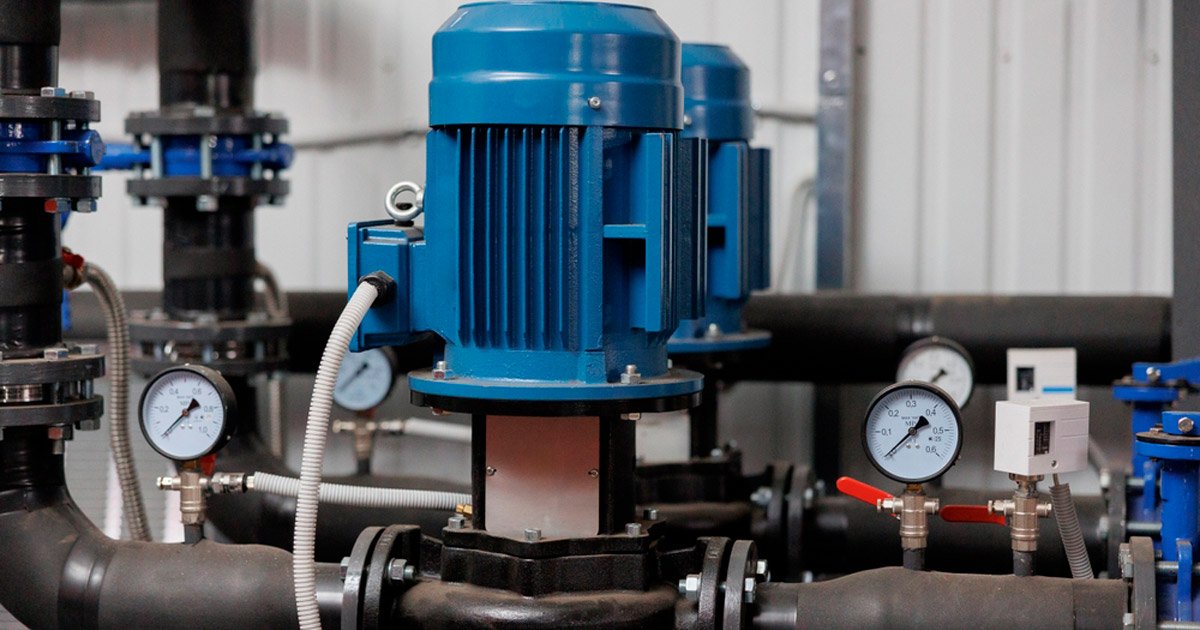
Pump selection is the core mechanical decision. The design needs to specify pump type (submersible, dry pit, axial flow, centrifugal), operating duty point, total dynamic head, motor power, and impeller characteristics. Large pump sets for storm water applications typically carry manufacturing and delivery lead times of 16 to 24 weeks, which has direct implications for procurement scheduling.
Electrical Design
Electrical scope covers incoming power supply, HT or LT switchgear, motor control centres, power factor correction, standby generation arrangements, and internal distribution cabling. Where variable frequency drives are specified on pump motors, the electrical design also needs to address harmonic distortion — typically through harmonic filters or active front-end drives — to avoid power quality problems affecting other equipment.
Instrumentation and Automation
Level sensors, flow meters, pressure transducers, and pump status signals feed the SCADA system — the operational control layer of the station. Getting instrumentation right means correct sensor placement, proper calibration procedures, and reliable communication interfaces. This detailed work pays dividends every day of the station’s operational life. Poor instrumentation is one of the most common causes of O&M complications in the years after commissioning.
Phase 3: Procurement
Long-lead items — pump sets, motors, HT switchgear, and SCADA hardware — need to be ordered early. If procurement waits on design approvals, the construction programme suffers. For a large pumping station, the lead time on pump sets alone can push the construction start date significantly if not anticipated and planned for.
Factory acceptance testing is part of responsible procurement for critical items. Pump set testing at the specified duty point, before the equipment leaves the manufacturer’s facility, confirms that what is being delivered matches what was specified.
Phase 4: Civil Construction
Wet well excavation in urban Mumbai involves close coordination with existing underground utilities — power cables, telecom infrastructure, water mains, and storm water pipes are all at risk. Detailed utility surveys and careful excavation methodology are not optional steps here.
Concrete placement for water-retaining structures like the wet well requires continuous supervision and strict quality control. Cracks in the concrete — which will occur if mix design, placement, or curing is not managed correctly — create long-term maintenance problems that are difficult and expensive to address once the station is in operation.
Phase 5: Mechanical, Electrical, and Instrumentation Installation
Pump set installation requires alignment checks, grouting, and torquing to manufacturer specifications. These steps cannot be skipped. Misalignment during installation shows up as premature bearing failure or excessive vibration during operation — often within the first 12 to 18 months.
All electrical terminations are tested and documented. Cable insulation tests are conducted before energisation, and earth continuity is verified throughout the distribution system. Instrumentation is installed and checked against the SCADA input/output list before control system commissioning begins.
Phase 6: Commissioning
Commissioning is where all four disciplines come together — and where gaps in any of them become apparent. The sequence runs from no-load electrical checks, to dry mechanical runs to wet testing with water in the system, to full performance trials against the design duty point.
SCADA function testing runs concurrently — confirming that every sensor reads correctly, every control output responds as designed, and every alarm triggers at the correct threshold. Performance test results are documented and submitted for client acceptance.
The Phase That Follows: Long-Term O&M
For infrastructure built to serve for 20 to 30 years, the commissioning is the beginning of the story. The transition from construction to operations needs to be managed with care — as-built documentation, equipment manuals, a complete spare parts inventory, and a trained operations team all need to be in place before the construction contractor demobilises.
In the integrated EPC-plus-O&M model, this transition is handled internally. The technical team that executed construction moves into the operations phase, carrying full institutional knowledge of the station — how it was built, any deviations from the design that were resolved during construction, and the specific behaviour of each piece of equipment.
That continuity matters more than most clients initially appreciate. The difference between an O&M team that inherited a station cold and one that built it themselves shows up every time something unexpected happens — and over a 15-year contract, unexpected things happen.
If you are planning a pumping station project and want a straightforward conversation about what the full process involves for your specific requirements, we are easy to reach. Call +91-9870021717 or write to info@aaradhyaa.com.